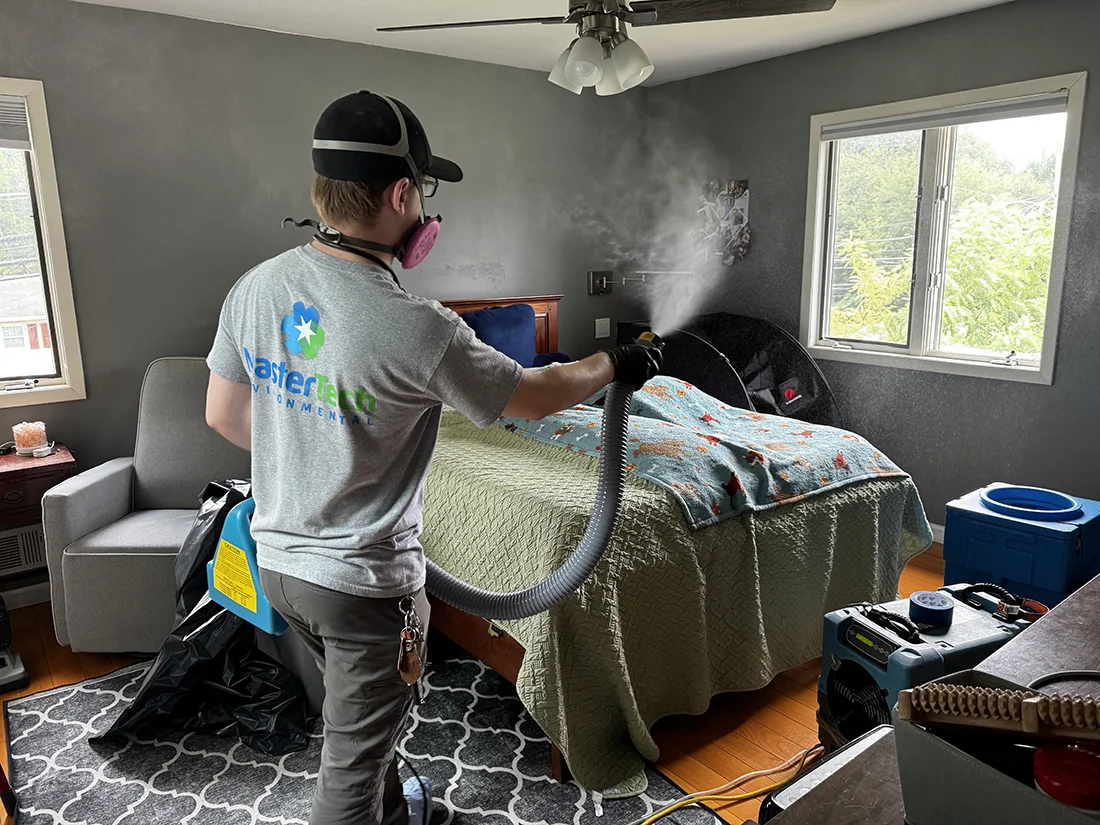


Living in Newport Beach offers undeniable charm—picturesque beaches, gentle ocean breezes, and a coastal lifestyle that’s hard to beat. Yet alongside these benefits comes a hidden challenge: persistent mold issues driven by the area’s unique climate conditions. If you’ve ever battled mysterious musty odors, unexplained allergy symptoms, or recurring mold patches in your home, you know firsthand how confusing, stressful, and overwhelming the problem can be.
Understanding mold isn’t just about knowing it’s unpleasant—it’s about recognizing that certain mold species can cause significant damage to your home and pose real health risks. In a region like Newport Beach, where humidity and moisture are common occurrences, learning about the risks, recognizing problematic mold, and understanding why professional mold testing is crucial can empower you to protect your home and family effectively.
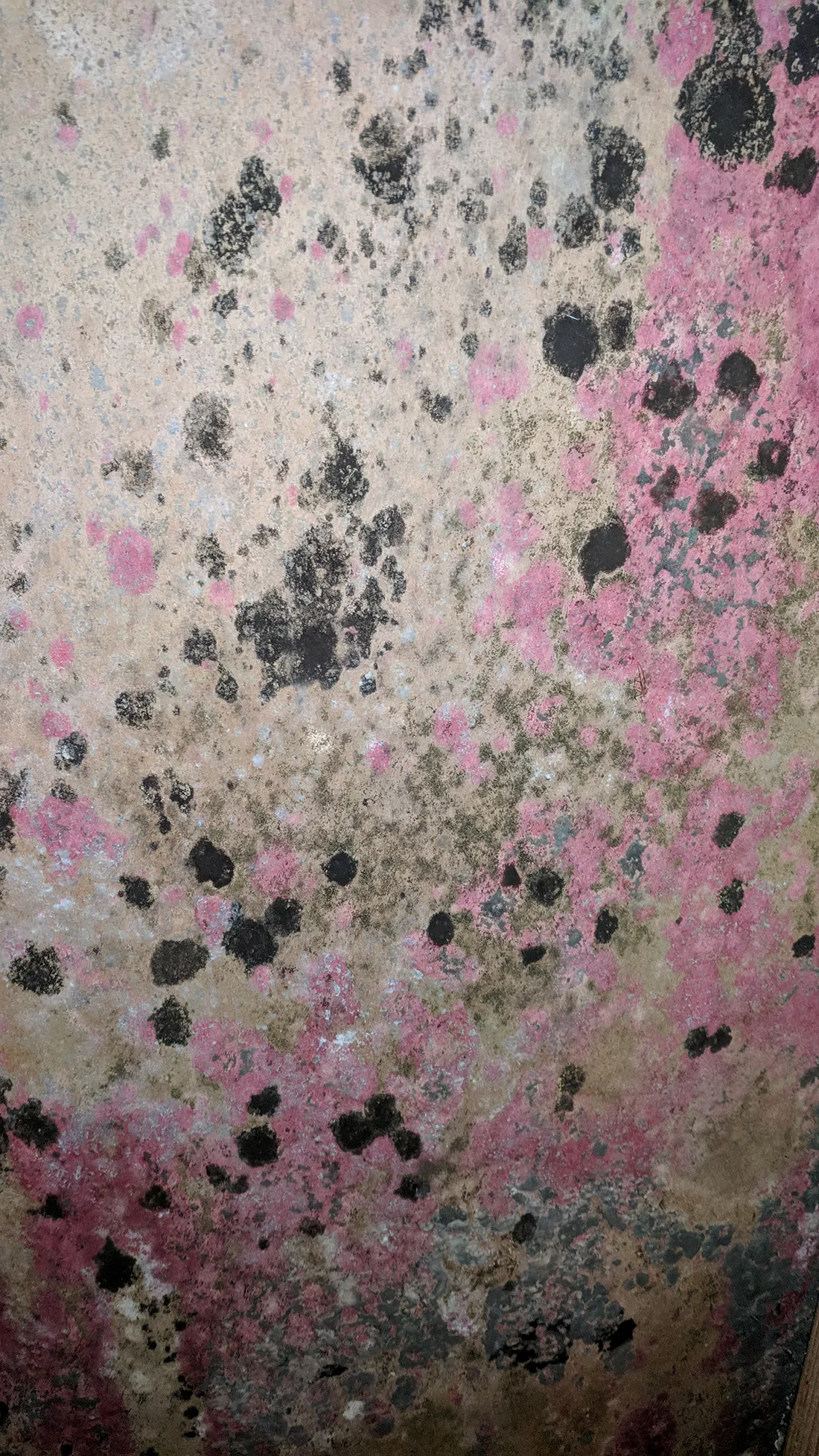
Why Mold Thrives in Newport Beach Homes
Homeowners often wonder why mold seems especially persistent here. Newport Beach’s coastal location isn’t just scenic—it creates an ideal environment for mold growth. Frequent ocean fog, steady humidity, and seasonal rains contribute to elevated indoor moisture, allowing mold spores ample opportunity to flourish. It’s precisely this combination of factors that makes Newport Beach residents particularly susceptible to ongoing mold challenges.
The morning fog rolling in from the ocean provides ample moisture for mold spores that naturally exist in our environment. These spores settle easily on moist surfaces inside homes, triggering rapid mold growth. Even brief condensation from foggy mornings can supply the moisture that mold requires, creating hidden mold problems behind walls or around window frames.
Mold loves to colonize places in your home that stay damp, dark, and undisturbed. In Newport Beach, typical problem areas include bathrooms (tile, grout, and ceilings), windowsills (due to condensation), basements, and HVAC systems. Recognizing these vulnerable spots can help you monitor and manage moisture before mold has a chance to take hold.
Essential Conditions That Encourage Mold Growth Indoors
To effectively combat mold, homeowners need to understand precisely what mold requires to thrive indoors. Mold isn’t random—it needs moisture, nutrients, and suitable temperatures. Newport Beach homes naturally offer these conditions, reinforcing why mold can be such a challenging problem here.
- Moisture:Moisture is a critical condition that enables mold growth indoors. Mold spores only need minimal moisture—a minor plumbing leak, window condensation, or even humidity from daily showers can be sufficient. Common local moisture sources include hidden plumbing leaks, seasonal roof leaks, poorly ventilated bathrooms, and inadequate HVAC systems, all of which are prevalent issues in Newport Beach homes.
- Nutrients:Organic materials found abundantly in homes—such as drywall, carpets, wooden furniture, and fabrics—provide mold spores with everything they need to thrive. When moisture interacts with these materials, mold growth accelerates, leading to significant damage over time.
- Temperature:Although extreme temperatures can occasionally slow mold growth, Newport Beach’s mild coastal climate provides nearly ideal year-round conditions. Without temperature extremes, mold can grow comfortably all year, underscoring the importance of effective moisture management and professional testing to keep mold under control.
Common Mold Types Found in Newport Beach Homes
All molds share some general properties, but certain species are particularly harmful and commonly appear in our local homes. Knowing the characteristics and health risks associated with each type helps homeowners respond appropriately and effectively.
- Stachybotrys (Black Mold):Often found in damp, cellulose-rich materials like drywall after leaks, Stachybotrys (also known as “black mold”) can cause respiratory irritation, persistent headaches, and poses heightened health risks to children and individuals with compromised immune systems. Though not always toxic, this mold warrants prompt attention due to its potential severity.
- Chaetomium:Chaetomium commonly appears in homes experiencing prolonged moisture issues, particularly on drywall and carpets. It’s linked to allergy symptoms, and in severe exposures, it can even lead to neurological or autoimmune responses.
- Aspergillus and Penicillium:Both molds are common indoors, especially after water damage, and share similar properties. They primarily threaten those with existing respiratory issues or compromised immune systems, causing allergic reactions, bronchitis, and severe lung infections in susceptible individuals.
- Fusarium:Less commonly encountered but still present after severe water intrusion, Fusarium can grow in carpets, insulation, or HVAC systems. Although rare, exposure to Fusarium can cause serious eye infections, such as fusarium keratitis, highlighting the importance of professional detection.
- Alternaria:Alternaria, which is prevalent outdoors, especially during spring and summer, easily enters homes. It commonly triggers allergic symptoms—such as itchy eyes, congestion, and sneezing—that are frequently mistaken for typical seasonal allergies.
Why Professional Mold Testing is Crucial in Newport Beach
Professional mold testing in Newport Beach isn’t a luxury—it’s essential due to the area’s unique mold conditions. Independent testing provides homeowners with objective and accurate information they need for effective decision-making and mold removal strategies.
- Accurate Species Identification and Remediation Planning:Precise mold testing ensures targeted, effective remediation strategies. Rather than general cleaning approaches, homeowners gain clear insights into the exact mold species present, allowing specialists to remove mold thoroughly and safely.
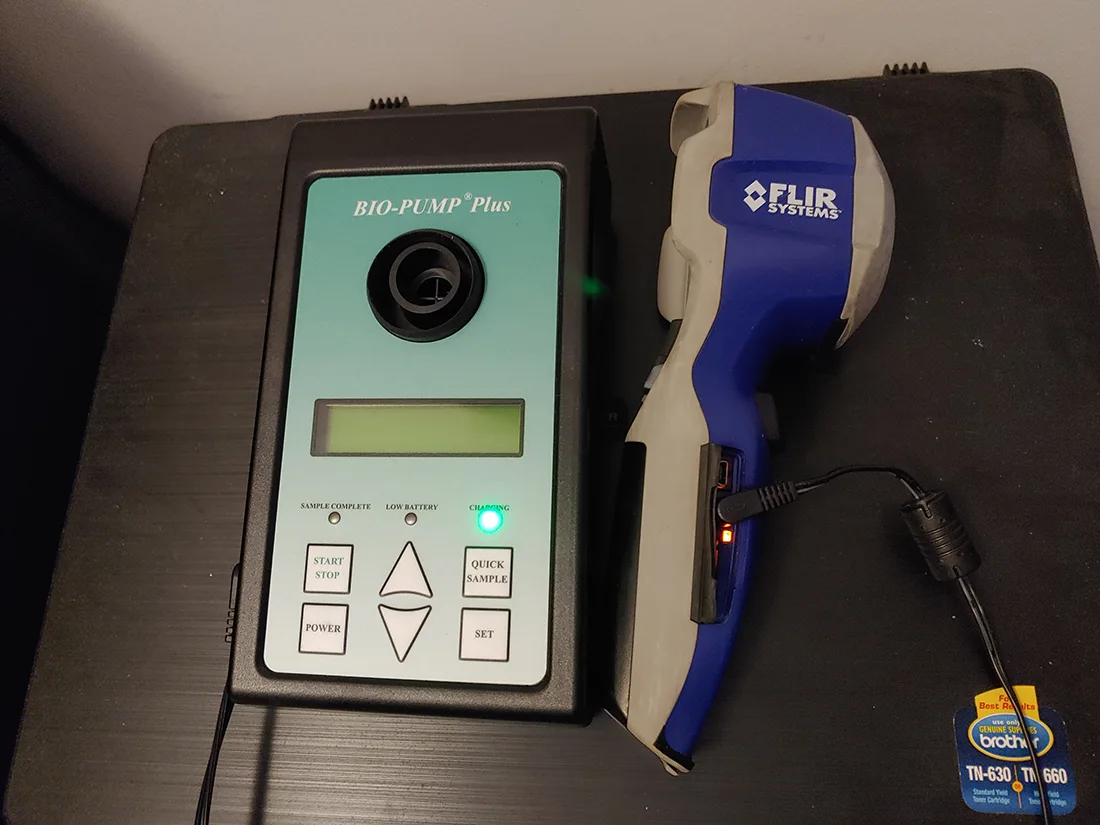
- Detecting Hidden Airborne Mold:Air sampling performed during professional testing reveals invisible mold spores in your indoor air, critical for understanding and addressing unseen health risks. Identifying these spores is crucial for enhancing indoor air quality and safeguarding family health.
- Objective, Credible Laboratory Results:Independent laboratory results eliminate guesswork, confirming exactly what mold you have, its concentration, and potential severity. Mastertech Environmental strongly recommends mold testing in Newport Beach as an essential step to guarantee homes are truly safe following remediation.
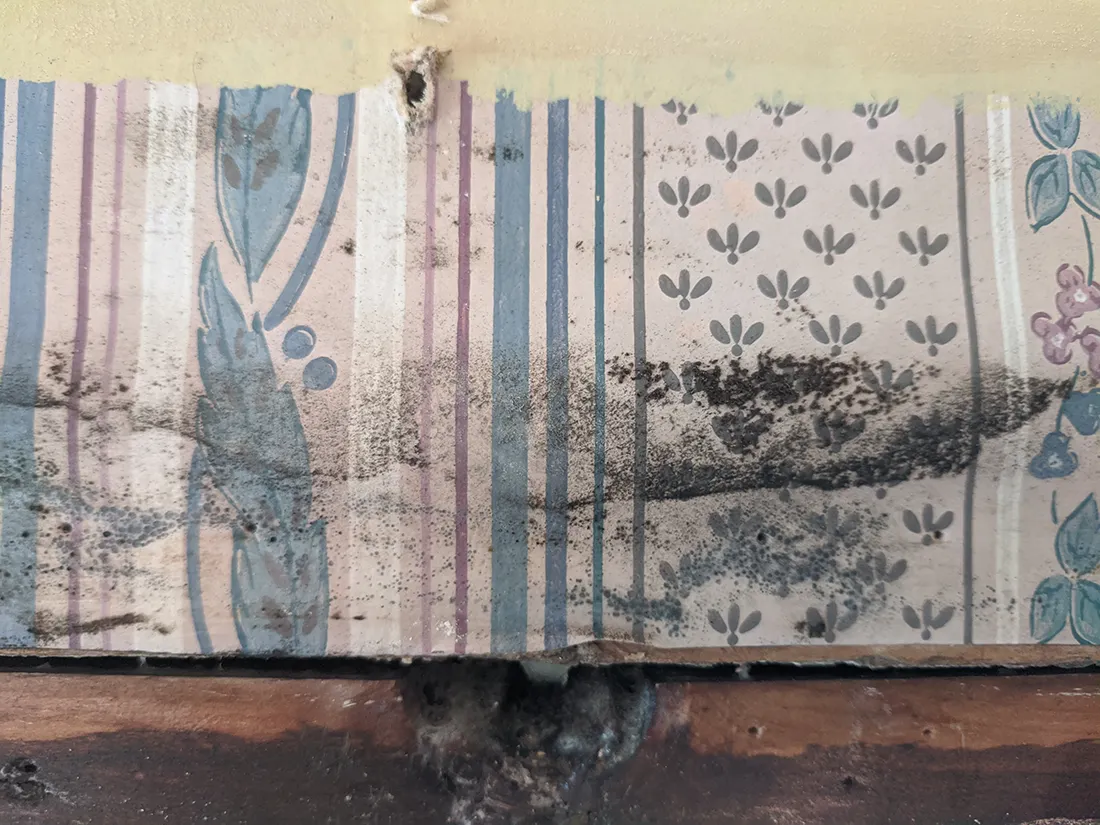
Risks of Ignoring Professional Mold Testing
Some homeowners might skip mold testing to save time or money, but this decision often leads to more significant problems down the road. Without accurate, professional testing, unseen mold issues can grow exponentially worse.
- Health Risks Increase Without Proper Testing:Undetected mold can worsen allergies, increase asthma symptoms, and potentially expose occupants to harmful mycotoxins. This risk is exceptionally high for vulnerable family members, such as children, seniors, or immunocompromised individuals.
- Property Damage and Increased Financial Costs:Unaddressed mold problems inevitably lead to structural damage, a decrease in property value, and higher future costs for extensive repairs. Repeated remediation efforts become more expensive than addressing mold correctly from the start through accurate testing.
- Lost Peace of Mind and Ongoing Stress:Homeowners skipping professional mold testing live with ongoing uncertainty about hidden mold, continually worrying about family safety and home integrity. Professional testing provides definitive answers, restoring confidence and peace of mind.
Staying Ahead of Mold in Newport Beach: Practical Preventive Strategies
Preventing mold proactively is far easier—and less stressful—than reacting after the fact. Newport Beach homeowners can significantly reduce mold risks with practical prevention strategies.
- Control Indoor Humidity:Keep levels between 30% and 50% by implementing adequate ventilation, regular HVAC maintenance, and occasionally using dehumidifiers.
- Routine Moisture Checks:Regularly inspect plumbing, roofing, and window seals, especially after rains or heavy coastal fog.
- Schedule Proactive Mold Testing:After significant moisture events or when persistent mold symptoms appear, engage professional mold testing proactively to catch issues early.
At Mastertech Environmental, our 5-year mold-free guarantee underscores the effectiveness of preventive measures, such as mold-resistant coatings, which are specifically suited to Newport Beach’s coastal climate.
By clearly understanding mold risks, recognizing the types of mold in Newport Beach, and prioritizing professional mold testing, you can protect your home, your family’s health, and your peace of mind. Mold testing isn’t optional here—it’s essential for a safe and healthy environment along our beautiful coast.