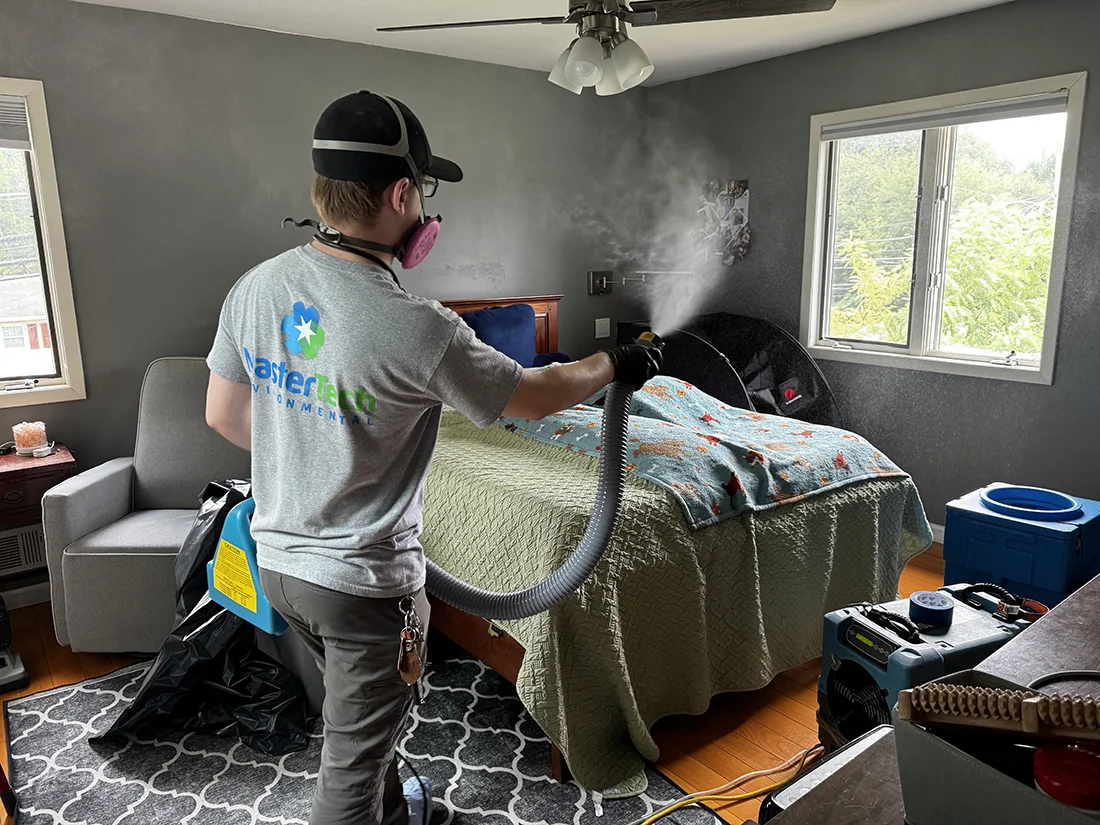



When homeowners in Orange County hear the word “mold,” it often triggers immediate concern. It’s easy to understand why—mold can affect health, damage property, and cause significant stress, especially when its presence is hidden or uncertain. According to the California Department of Health Services (DHS), mold growth and damp indoor environments are recognized as widespread issues across California, impacting health and home safety.
While mold is a common problem, homeowners often find themselves overwhelmed by conflicting advice on the seriousness of mold and the necessary steps to take. Understanding precisely how mold behaves, what triggers its growth, how it affects health, and the most effective way to manage it can empower you to handle mold with confidence. Here are four essential facts every homeowner in Orange County needs to understand clearly about mold, supported by DHS research and guidelines.
1. Moisture Control is the Key to Mold Prevention
Mold spores exist everywhere—indoors and outdoors—and are part of our natural environment. Outdoor mold is helpful in breaking down organic matter. Indoors, however, mold can be problematic when spores settle on wet areas, making moisture control the central factor for mold prevention.
According to California’s Department of Health Services, controlling indoor moisture is critical because mold requires moisture to grow. Even slight dampness from a leaking pipe, condensation from HVAC units, or poorly ventilated bathrooms can foster mold growth quickly, within just 24 to 48 hours. If you detect mold, cleaning it alone is not enough. Identifying and correcting the underlying moisture issue is critical, as mold will rapidly return if moisture remains unresolved.
Here are important actions you should take to control moisture and prevent mold.
- Keep indoor humidity between 30% and 50%, and consistently below 60%. Using humidity meters helps monitor these levels effectively.
- Quickly repair plumbing leaks, roof leaks, and drainage problems around your property.
- Vent appliances that generate moisture, like dryers and cooking ranges, outdoors rather than into attics or enclosed spaces.
2. Mold is Unhealthy—Especially for Vulnerable Populations
Mold isn’t just a nuisance—it has a direct impact on health. California DHS emphasizes that mold exposure can cause a range of health symptoms, from mild allergic reactions to serious respiratory conditions. This is especially true in Orange County homes, where moisture issues are common due to the coastal climate.
Typical mold-related health issues include allergies and respiratory symptoms, such as coughing, sneezing, and throat irritation. However, the impact can be significantly more severe for children, elderly individuals, people with asthma, and those with compromised immune systems. The Department of Health Services highlights research indicating that prolonged exposure to indoor mold can increase risks of respiratory illnesses, trigger asthma attacks, and even cause serious lung infections in vulnerable individuals.
Recognizing early health symptoms linked to mold exposure is crucial.
- Persistent nasal congestion or a runny nose that improves outside your home.
- Increased frequency or severity of asthma symptoms or allergies when indoors.
- Symptoms like headaches, fatigue, or respiratory discomfort that seem to improve when away from your home environment.
3. Mold Testing is Not a Substitute for Effective Mold Removal
One common misconception is that testing mold—identifying types and amounts—is essential to addressing mold problems effectively. The Department of Health Services makes it clear: Mold testing alone is generally not necessary or particularly useful. No federal or state standards specify “safe” mold levels. Instead, DHS recommends focusing efforts on identifying and removing mold, as well as addressing the moisture source that supports its growth.
Additionally, the Department of Health Services explicitly advises against using bleach for mold removal. While bleach is often marketed as a mold solution, it can irritate the respiratory system and does not prevent mold regrowth. Instead, effective mold cleanup involves physically removing mold from surfaces using soap, detergent, and water, and ensuring that areas are thoroughly dried.
Key facts from DHS guidelines regarding mold removal include the following:
- Mold testing to determine type or quantity isn’t helpful in most cases. Action should focus instead on identifying moisture sources and removing mold promptly.
- Bleach isn’t recommended because it’s hazardous, less effective than safer alternatives, and doesn’t prevent mold from returning.
- For porous materials (like drywall or carpets), removal and replacement—not cleaning—is usually necessary because mold spores embed deeply.
4. Professional Mold Inspection and Remediation is Often Required—Especially for HVAC Systems
While homeowners can often handle small mold problems (less than 10 square feet), DHS strongly advises seeking professional mold inspection in Orange County for larger issues or hidden mold scenarios, especially those involving HVAC systems.
HVAC mold contamination is uniquely problematic. Mold inside your HVAC unit actively circulates mold spores throughout your home’s air, creating continuous exposure to these spores. According to DHS and California health standards, mold-contaminated HVAC systems should not be operated until they have been professionally cleaned, as running a contaminated system significantly worsens indoor air quality.
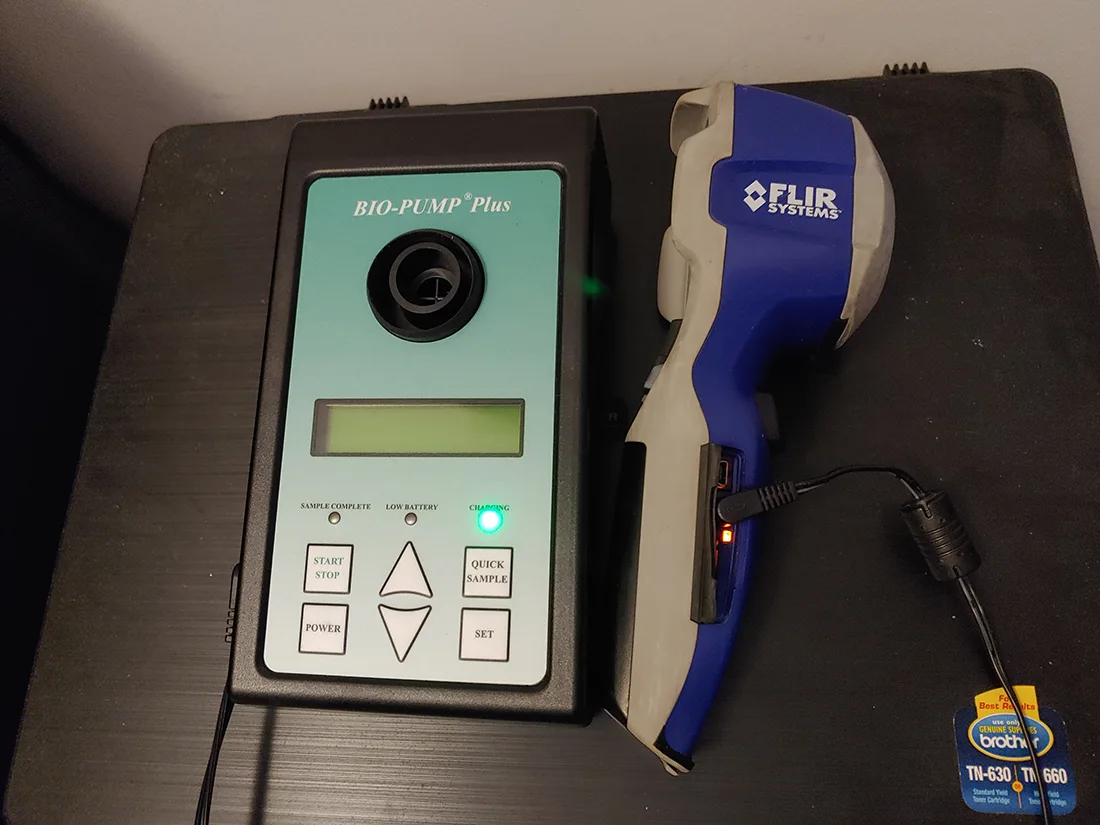
Professional mold remediation in Orange County utilizes specialized tools and methods that homeowners often lack, including moisture meters and infrared cameras, which help detect hidden moisture and mold colonies.
DHS strongly recommends professional inspection and remediation if:
- Mold is suspected or visible within the HVAC system.
- You experience persistent musty odors when using your HVAC system.
- Your household experiences respiratory symptoms consistently when at home, but feels relief when away.
Additionally, for renters, California’s Housing Code categorizes homes with significant dampness or mold as substandard housing conditions. This classification legally requires landlords to promptly address mold issues to protect the health of tenants.

Why Mold Inspection in Aliso Viejo Matters Specifically for Orange County Homes
Orange County’s climate presents distinct challenges related to mold. Homes in coastal communities like Aliso Viejo often encounter humidity and condensation issues, making professional mold inspection particularly important for protecting home health and value.
Specifically, mold inspection in Aliso Viejo is crucial due to local climate factors.
- Proximity to the ocean and coastal breezes regularly elevate indoor humidity above safe levels, increasing mold risks.
- Many homes feature HVAC systems that are heavily used due to a year-round climate, increasing opportunities for hidden mold growth inside ductwork or HVAC units.
- Aging homes and buildings common in Aliso Viejo may have moisture intrusion issues through aging roofs, plumbing, and inadequate ventilation systems.
When considering mold remediation in Aliso Viejo, a timely professional inspection ensures that your mold issue is addressed at its root cause—namely, humidity and moisture control—preventing recurrence and associated health risks.
Orange County Mold: By the Numbers and Key Facts
The following facts from the California DHS highlight the scope of the mold issue.
- California DHS recognizes dampness and visible mold as “unhealthy indoor environments” and a clear “danger to occupants’ health.”
- DHS has determined no “safe exposure limits” for indoor mold, emphasizing removal and moisture control over sampling or measurement.
- According to DHS guidance, mold growth can begin within 24-48 hours of moisture exposure, making immediate drying of wet areas critical.
- Homes with significant dampness or visible mold are considered “substandard” by California housing laws, legally requiring landlords to remedy promptly.
How MasterTech Environmental Helps Orange County Homeowners
If you suspect mold growth in your Aliso Viejo home or HVAC system, professional mold inspection from MasterTech Environmental ensures accurate identification, clear communication, and effective remediation. Our certified professionals utilize advanced equipment, including infrared imaging, moisture meters, and air sampling methods, to precisely locate mold, assess its severity, and identify moisture sources.
With a straightforward approach, we focus on removal, moisture control, and ensuring your home remains mold-free in the long term. Don’t let mold jeopardize your health or home—trust MasterTech Environmental for mold inspection Aliso Viejo homeowners depend on, and mold remediation Aliso Viejo residents trust.
Contact us today for professional guidance and peace of mind.